The beat goes on: Advancing heart health through the Molly Appeal
On October 16, Dalhousie friends and donors gathered to learn how their generosity was impacting cardiovascular research and outcomes.
- Posted
- By
- Dayna Park for Giving Power | Submitted photos
- From
- Medicine

For over 40 years, the Molly Appeal has been a powerful example of what can happen when a community comes together to make an impact. What started as a community-driven fundraising effort has grown into one of the region's most enduring traditions of philanthropy, helping enhance life-changing medical research at Dalhousie’s Faculty of Medicine.
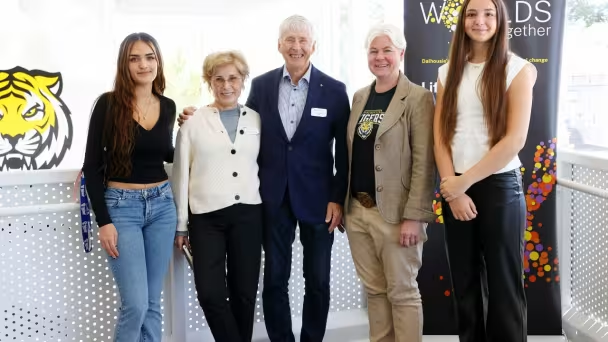
That spirit was on full display on October 16, when over 70 loyal supporters and friends of the campaign gathered at the Old Ashburn Golf Club for the annual Molly Appeal Luncheon. The event offered the Molly Appeal’s most loyal donors an opportunity to see firsthand how their generosity is helping advance cardiovascular research in Nova Scotia and beyond.
An area of growing importance
This year's Molly Appeal campaign is focused on cardiovascular research, an area of growing importance as heart disease continues to affect individuals and families across Canada. Heart disease is the second leading cause of death in the country, claiming more than 55,000 lives annually, while millions of Canadians are living with cardiovascular disease or the impacts of stroke.
Guests heard from Dr. Leah Cahill, registered dietician, Howard Webster Department of Medicine Research Chair, and an associate professor at Dalhousie University, whose research explores how customized approaches to nutrition and cardiovascular health can help people live longer, healthier lives.
Lead investigator of the Nourish research team at Dalhousie, Cahill is exploring how nutrition, genetics, lifestyle factors, and other biological markers influence heart health and longevity. Her research aims to move cardiac care beyond a one-size-fits-all approach and toward more personalized preventative care, a growing area of research known as precision prevention.
“Healthy eating looks different for different people,” Cahill explains. “A recommendation that is realistic for one person may be difficult or impossible for another because of caregiving responsibilities, limited resources, or cultural preferences.”
The role of philanthropy
While the science was fascinating, perhaps the most powerful takeaway was the role philanthropy plays in making this work possible.
Research breakthroughs rarely happen overnight. They require years of study, collaboration, specialized equipment, trainee support, and the flexibility to explore new ideas. Initiatives such as the Molly Appeal help provide the resources researchers need to ask important questions and pursue promising solutions.
For many attendees, the luncheon was also an opportunity to reflect on the remarkable legacy of the Molly Appeal itself. The annual campaign honours the legacy of Molly Moore, a Halifax housekeeper who believed that each of us could make a difference in the world if we all came together. Her conviction that even a small gift could contribute to meaningful change continues to guide the Appeal today.
Year after year, donors have supported research that improves lives, creating a lasting impact that extends far beyond a single campaign or project. Their generosity has helped strengthen Dalhousie researcher's capacity to address some of Canada’s most pressing health challenges.
Every gift to the Molly Appeal helps move promising ideas closer to real-world impact while providing researchers and trainees with the support they need to pursue the next breakthrough.